
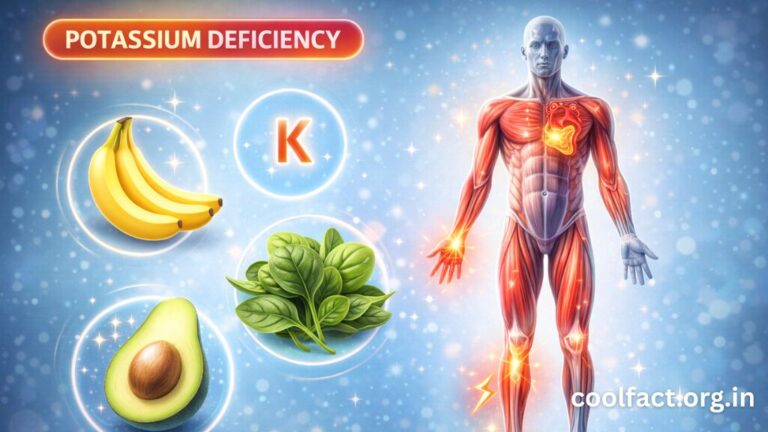
🤔 Do You Know What Happens When Your Body Lacks Potassium?
Most people think vitamins are important. But minerals are equally important for the body. One very important mineral is potassium.
But many people do not know that Potassium deficiency can cause this serious disease!
Low potassium levels can affect muscles, nerves, and the heart. In this article, we will explain everything in simple English so that you can protect your health.
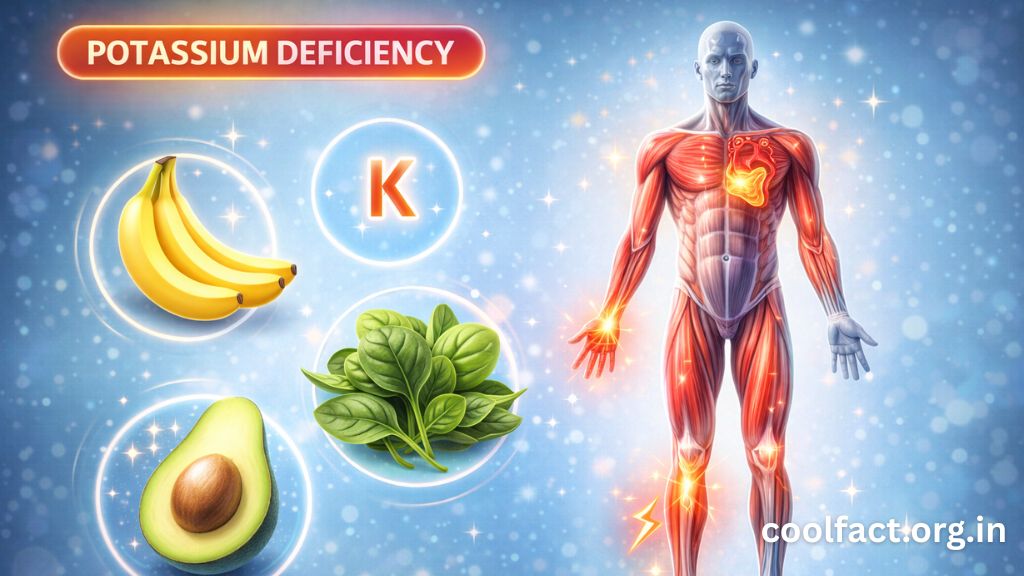
🧬 What Is Potassium and Why Is It Important?
Potassium is an essential mineral that helps the body function properly.
It helps with:
- Muscle movement
- Nerve signals
- Heart rhythm
- Fluid balance
- Blood pressure control
Without enough potassium, the body cannot work normally.
This is why experts warn that Potassium deficiency can cause this serious disease if ignored.
Recommonded:
Silent Heart Danger: Heart attack can happen even if cholesterol is fine
⚠️ Potassium Deficiency Symptoms You Should Know
Early potassium deficiency symptoms may look small. But they should not be ignored.
Common signs include:
- Muscle weakness
- Fatigue
- Irregular heartbeat
- Muscle cramps
- Tingling sensation
- Constipation
These symptoms happen because potassium helps muscles and nerves work properly.
If levels fall too low, serious problems may occur.
❤️ How Potassium Deficiency Affects the Heart
One major reason Potassium deficiency can cause this serious disease is its effect on the heart.
Potassium helps control heart rhythm.
Low potassium can cause:
- Irregular heartbeat
- High blood pressure
- Heart muscle weakness
In severe cases, it may lead to dangerous heart rhythm problems.
Heart health depends heavily on potassium balance.
Recommonded:
The Final Moment of Life: When a Person Dies, Which Organ Stops Working First?
🦵 Muscle Weakness and Paralysis
Potassium is necessary for muscle contraction.
If potassium levels drop:
- Muscles become weak
- Movement becomes difficult
- Severe cases may cause temporary paralysis
These symptoms are part of potassium deficiency symptoms.
Athletes and people who sweat a lot must maintain proper mineral balance.
🧠 Effects on Nerves and Brain
Potassium helps nerve cells send signals.
Low potassium may cause:
- Numbness
- Tingling in hands and feet
- Difficulty concentrating
- Mood changes
Nerve communication becomes weaker when potassium is low.
🩺 What Causes Potassium Deficiency?
There are many reasons why potassium levels drop.
Common causes include:
- Poor diet
- Excessive sweating
- Severe diarrhea
- Certain medicines like diuretics
- Chronic kidney problems
Understanding these causes helps prevent deficiency.
🥗 Foods Rich in Potassium
One simple way to prevent deficiency is eating foods rich in potassium.
Examples include:
- Banana
- Spinach
- Sweet potato
- Avocado
- Coconut water
- Beans
- Yogurt
Including these foods in your daily meals supports healthy potassium levels.
💧 Hydration and Potassium Balance
Electrolytes like potassium work with fluids in the body.
Proper hydration helps maintain mineral balance.
Drinking enough water and eating healthy foods support overall health.
⚖️ How Much Potassium Do You Need?
Adults usually need around 3500–4700 mg of potassium daily.
However, exact needs depend on:
- Age
- Health condition
- Activity level
Doctors may recommend different amounts.
🏥 When to See a Doctor
If severe potassium deficiency symptoms appear, medical help is necessary.
Seek medical advice if you notice:
- Severe muscle weakness
- Irregular heartbeat
- Extreme fatigue
Doctors can confirm deficiency through blood tests.
🌿 Preventing Potassium Deficiency
Simple lifestyle habits can prevent problems:
- Eat balanced diet
- Include fruits and vegetables
- Stay hydrated
- Avoid excessive processed foods
- Follow medical advice for medications
Healthy eating keeps potassium levels stable.
📝 Adviceful Conclusion
Now you understand why experts say Potassium deficiency can cause this serious disease.
Low potassium affects muscles, nerves, and especially the heart. Early potassium deficiency symptoms should never be ignored.
The good news is that prevention is simple. Eating foods rich in potassium and maintaining a balanced diet can protect your body.
Health begins with awareness. Listen to your body and take care of your nutrition.
❓ Top 5 FAQs
1. What are potassium deficiency symptoms?
Muscle weakness, fatigue, irregular heartbeat, and cramps.
2. Why is potassium important for the body?
It supports heart rhythm, muscle movement, and nerve function.
3. Which foods rich in potassium should I eat?
Bananas, spinach, sweet potatoes, beans, and yogurt.
4. Can potassium deficiency affect the heart?
Yes. It can cause irregular heartbeat and heart problems.
5. How can I prevent potassium deficiency?
Eat balanced diet and include potassium-rich foods daily.
